Artist statement
Evolution
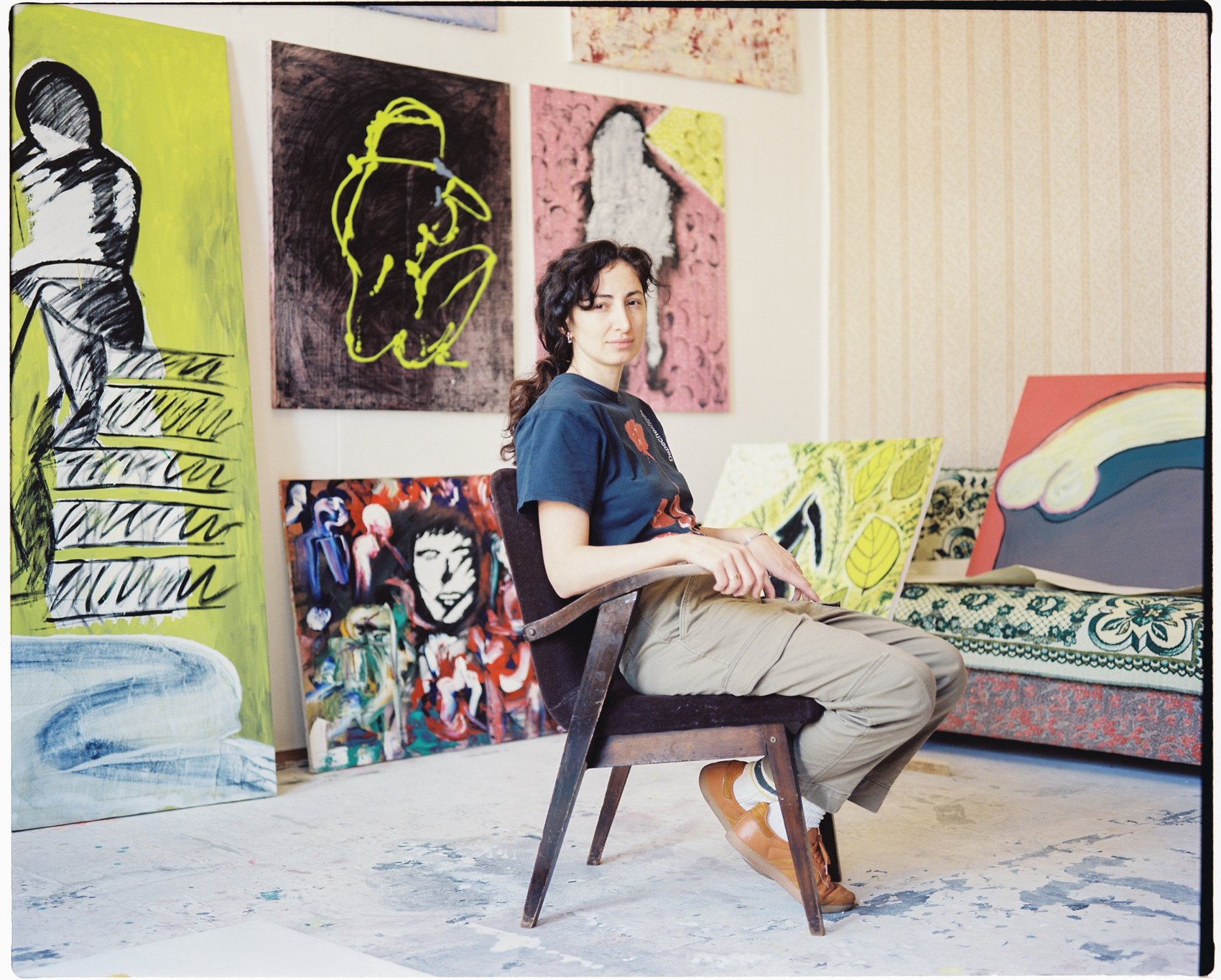
Becoming alive
A straight line, a rough stroke; black alone, and all colors at once; sometimes canvas, sometimes clay, sometimes paper; concrete or abstract, intended or involuntary – this is my art. I have always been this way, full of contradictory expressions. We are never one and the same. Life itself – thought and action – reshapes me in an instant and reveals my ever-changing nature.
I move toward minimalism, and return to the chaos of colors. And then I repeat the same cycle, again and again, like an eternal return. Everything begins with many colors – uneven, chaotic. Slowly, freedom becomes too much. I lose my ground, and I get angry. I want order. I want calm. And chaos turns into order. Every cycle brings awareness. And confidence.
In the creative process, every medium is the need of that very moment. Independent of me, from some inexplicable source, a thought arises – and action follows. This is how I create my works: in different materials, in different formats, for different purposes.
Being, and life itself – every action and every decision, every “yes” and every “no” – is a creative process. In an artist’s life, all of this overflows. It is a great part of everyday life, and in the end, a reflection of one’s consciousness. Art is the discovery of life – a way to feel it, and to truly taste it. On this path, there are no rules. We may call it exploration, discovery, experimentation – I would call it becoming alive.
სწორი ხაზი, უხეში მონასმი; მხოლოდ შავი ფერი და ყველა ფერი ერთად; ხან ტილო, ხან თიხა და ხან ქაღალდი; კონკრეტული ან აბსტრაქტული, გამიზნული ან უნებლიე - ეს არის ჩემი შემოქმედება; მე ყოველთვის ესე ვიყავი, სავსე ურთიერთსაწინააღმდეგო გამოხატულებებით. ჩვენ ყოველთვის სხვადასხვანაირები ვართ. ცხოვრება თავისი არსით - აზრი და ქმედება - უმალ მცვლის და ააშკარავებს ჩემ გამუდმებულ მეტამორფოზულ ბუნებას.
მივდივარ მინიმალიზმამდე და ვუბრუნდები ფერების ქაოსს. მერე ისევ იგივე ციკლს ვიმეორებ, როგორც მარადიულ დაბრუნებას. ყველაფერი იწყება ბევრი ფერით, სიჭრელით, უსწორმასწორობით და ქაოსით. შემდგომ ნელ-ნელა ქაოსის მიერ მოტანილი თავისუფლება ფეხქვეშ მიწას მაცლის და ბრაზი მერევა. წესრიგის სურვილი ბუნებრივად სიმშვიდის წინაპირობად მესახება და ესე იწყება ქაოსის წესრიგად გარდაქმნა. ყველა ამ ციკლს მოაქვს გაცნობიერება, თავდაჯერებულობა.
შემოქმედებით პროცესში ყველა მედიუმი იმ კონკრეტულ მომენტში საჭიროებაა, ჩემგან დამოუკიდებლად, აუხსნელი წყაროდან ჩნდება აზრი და მას მოსდევს ქმედება. ასე ვქმნი ნამუშევრებს, სხვადასხვა მასალით, სხვადასხვა ფორმატში, სხვადასხვა დანიშნულებით.
ყოფა და ცხოვრება თავისთავში, ყველა ქმედება და ყველა გადაწყვეტილება, ყველა “კი” და ყველა “არა” შემოქმედებითი პროცესია. არტისტის ცხოვრებაში ეს ყველაფერი ჭარბადაა, ყოველდღიურობის დიდი ნაწილია და საბოლოოდ მისი ცნობიერის რეფლექსიაა. ხელოვნება ცხოვრების აღმოჩენაა, მისი შეგრძნების და მძაფრად დაგემოვნების გზაა. ამ გზაზე არ არსებობს წესები. შეგვიძლია დავარქვათ ამას კვლევა, ძიება, აღმოჩენები, ექსპერიმენტები - მე ვიტყოდი დავარქვათ ამას გაცოცხლება.
Between the known and the unknown
Artist mediates between two worlds, the known and the unknown. Exploration of the unknown world might manifest itself through paint, sculpture, paper, writing.
Canvas listens and allows me to be absolutely open, vulnerable, to be me and to explore beyond me. With the sculpture, it is analogous to the divine creation, there is absolutely nothing, just an air and out of ordinary, soulless materials you can create aesthetic and ensouled art pieces.
Meaningful engagement in the world comes when I engage in this process of making art, I lose the sense of time, sense of mortal existence, and my deepest instinct tells me that I am at the right place at the right time. What can be truer than that. It is a voluntary engagement in mediative state between known and unknown, which is the state of being itself.
My life tragedies have revealed more of the reality to me and have sharply oriented me towards finding the meaning and purpose in life. Artistic creation is giving me all that. Sooner or later life becomes a tragedy, you don’t get to choose, but you get to choose your purpose and meaning for you in life. Being an artist is that purpose for me, creating art is the way of finding that meaning for me. And ultimately it’s serving something higher than myself.
I can do it
Recently I became a feminist, though I hesitated to call myself as such. In Georgia, where I grew up and where my practice is based, a stigma exists around the term of “feminism”. The standard view of a “feminist” is that of a woman who wants to dominate men and who aggressively rejects the feminine parts of herself. But for me, feminism is about equality, autonomy, and respect among all genders.
My decision to pursue art-making was a decision to forge this path to equality. In my work, you will see how a woman emerges from being blended and uncertain to bold and defined. You will see the female figure as she is undergoing a process of becoming self-aware, empowered, and ultimately liberated. To make these images was, for me, a risky statement. It is a way of saying ‘I can do it,’ because in my world, women are seldom expected or allowed to risk so much. I want to share with others the strength that I have felt through art-making. I use thin oil paints to not only convey transparency but also because it is an unpredictable medium. It is one that I cannot easily control and thus I am surprised by. It has its own way.
I was born and raised in a patriarchal society. I started to understand that quite late in my life. In childhood, I remember experiencing a feeling of unfairness while observing the lives of women around me, especially that of my mom. She ran the household: taking care of the kids, doing all the chores, and running errands. I never saw her interests being considered, even articulated. I never saw her doing anything for herself; nor did I see anyone helping her take care of herself. I was protesting inside and knew that I wanted something different for myself. I felt that something was imbalanced.
Real awareness of the situation started when I found myself in the role of the women from my childhood. It was a role of wife, mother and employee. I had a career in finance for 14 years, holding senior roles and ultimately in top management. A woman who aspires to a career in finance, a male-dominated industry, has to prove herself multiple times over. She is expected to excel at everything and still might not be considered as one of their own.
Despite rarely expressing her own desires, my mom created opportunities for me to form and articulate my own opinions and wishes. I remember my mom never internalizing the norms established within society as her own and appropriate to raising me. She wasn’t content to act as other mothers did. This provided an example to me of what it meant to treat others on their own terms. It gave me a sense of fairness.
The first battle I had to overcome was separating what I considered to be right for me from what others said was right for me. This first battle was thus an internal one, with myself. As I figured out what was right for me, the second battle started, this time with pseudo-equality. It was a situation in which I was required to play all roles rather than sharing responsibilities: being educated and having a career, while also being responsible for my household. The road was difficult, sometimes even pushing me to give up. But just like a cut branch can be planted, grow roots, and become strong, so will you, so will we. We must act. As Gloria Steinem once said, “truth will set you free, but first it will piss you off.”